Ray Dalio's Dire Warning: Why a Debt Crisis Could be Worse than a Recession for the Trump Economy

Table of Contents
- Ray Dalio and the Market’s Pulse - WSJ
- The Ray Dalio Approach to Finance and Life - Quartr Insights
- - Get the latest from Ray Dalio
- Watch Bridgewater’s Ray Dalio Talks Money, Debt, and US Political ...
- - Get the latest from Ray Dalio
- Ray Dalio: U.S. Is 2 Years From Economic Downturn | TIME
- Ray Dalio Not Giving His Principles Away Anymore - Dealbreaker
- ECOBOLSA - Ray Dalio, tajante: "Las posibilidades de una guerra mundial ...
- Ray Dalio ha empezado a invertir en submarinos para ricos una semanas ...
- Ray Dalio Wiki, Age, Bio, Height, Wife, Career, and Net Worth
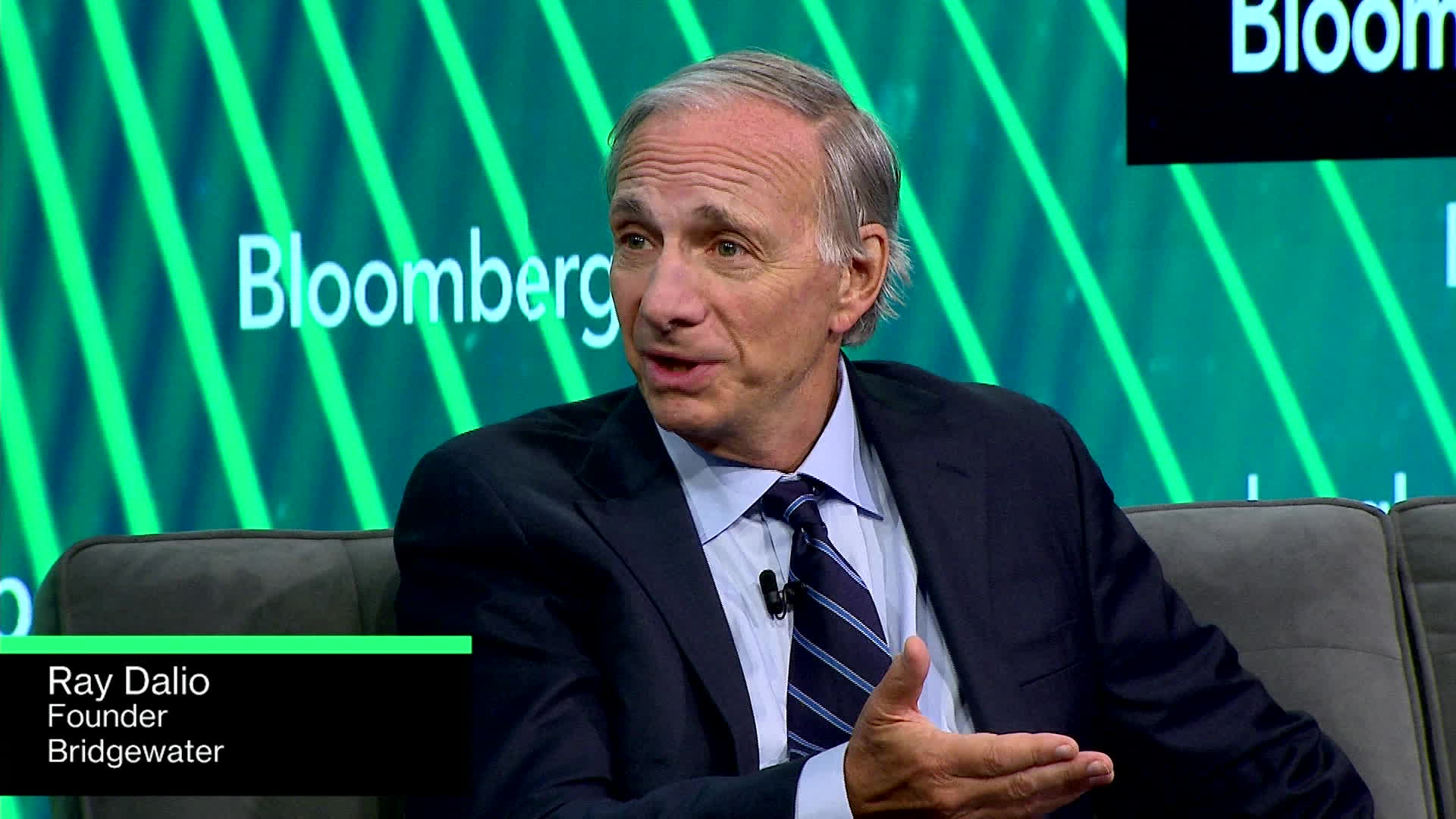


The Debt Crisis Threat


A debt crisis occurs when a country's debt levels become so high that it can no longer service its debt obligations. This can lead to a loss of investor confidence, a sharp decline in the value of the currency, and a subsequent economic downturn. Dalio warns that the US is heading towards a debt crisis, which could be worse than a recession because it would be more difficult to recover from.

)
Why the Trump Economy is Vulnerable


Dalio argues that the Trump economy's reliance on debt to fuel growth is a recipe for disaster. He believes that the country's debt levels are already at unsustainable levels and that the economy is vulnerable to a shock that could trigger a debt crisis. With interest rates already at historic lows, the US has limited room to maneuver in the event of an economic downturn.
Consequences of a Debt Crisis
A debt crisis would have severe consequences for the US economy. It could lead to:- A sharp decline in the value of the US dollar
- A significant increase in interest rates
- A decline in investor confidence
- A reduction in economic growth
- A potential loss of reserve currency status
These consequences would have far-reaching implications for the US economy and could lead to a prolonged period of economic stagnation. Dalio's warning should serve as a wake-up call for policymakers to take action to address the country's debt levels and reduce its reliance on debt to fuel growth.
Ray Dalio's warning about a debt crisis should not be taken lightly. The US economy is vulnerable to a debt crisis, and the consequences would be severe. While the Trump economy has experienced a period of growth, it is essential to address the underlying issues that could lead to a debt crisis. By taking proactive steps to reduce debt levels and promote sustainable economic growth, the US can mitigate the risk of a debt crisis and ensure a more stable economic future.As Dalio's warning highlights, a debt crisis could be worse than a recession, and it is essential to take action to prevent it. The US economy is at a critical juncture, and policymakers must prioritize fiscal responsibility and sustainable economic growth to avoid a catastrophic outcome.